



Home
If life is a gift on this planet, then animals are just like humans - treasures found on Earth and no other planet.
Yet sadly, the 21st Century could mark the extinction of several of these creatures, driven by climate change and environment breakdown,
often pointing to human economic causes.
Through the wildlife virtual tour and an informative overview, we hope you'll realise the perilous outcomes of animal extinctions and take away valuable lessons on how you can contribute to the much-neglected aspect of protecting endangered wildlife and conservation. We have also provided a list of pluasible actions you can apply in your daily lifestyle which will come a long way in helping our animal friends! By adopting earth-friendly habits, anyone can contribute!
"Roughly, when 90% of the habitat is eliminated, 50% of the species will be lost … " -Richard P. Reading
Use the menu on the left to navigate throughout the website.
Through the wildlife virtual tour and an informative overview, we hope you'll realise the perilous outcomes of animal extinctions and take away valuable lessons on how you can contribute to the much-neglected aspect of protecting endangered wildlife and conservation. We have also provided a list of pluasible actions you can apply in your daily lifestyle which will come a long way in helping our animal friends! By adopting earth-friendly habits, anyone can contribute!
"Roughly, when 90% of the habitat is eliminated, 50% of the species will be lost … " -Richard P. Reading
Use the menu on the left to navigate throughout the website.
Habitat loss and fragmentation
Climate change
Human development
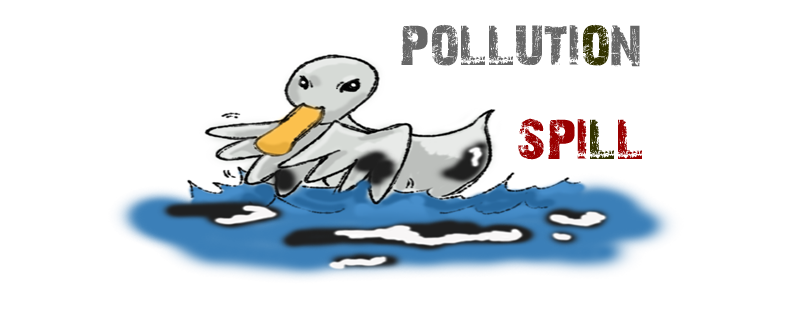
Pollution
Habitats are crucial for the survival of the animals as they provide the suitable environment for the animals to live in.
Habitat loss and fragmentation is widely considered to be the most significant cause.
Habitat fragmentation can be cause by geological means, such as volcanism, fire, and climate change, or human activities. It includes a shrink in total area of the habitat, isolation of one habitat from other areas, splitting up the area of habitats.
EXAMPLE/STATISTICS: Global warming is predicted to put at least 20-30% of plant and animal species at risk of extinction. (Rajendra Pachauri, chairman of the Intergovernmental Panel on Climate Change (IPCC))
Habitat loss and fragmentation is widely considered to be the most significant cause.
Habitat fragmentation can be cause by geological means, such as volcanism, fire, and climate change, or human activities. It includes a shrink in total area of the habitat, isolation of one habitat from other areas, splitting up the area of habitats.
EXAMPLE/STATISTICS: Global warming is predicted to put at least 20-30% of plant and animal species at risk of extinction. (Rajendra Pachauri, chairman of the Intergovernmental Panel on Climate Change (IPCC))
Many of the natural habitats are destroyed by human activities such as land for development, development of petroleum resources, demand for timber and much more.
EXAMPLE/STATISTICS: Habitats such as rainforests which once covered 14% of the earth's land surface; now they cover a mere 6%. (Raintree Nutrition). It is also predicted that our population will reach 9 billion people by 2050. The hourly destruction of an estimated 240 acres of natural habitat is directly attributable to the growth in human populations. (African Conservancy)
EXAMPLE/STATISTICS: Habitats such as rainforests which once covered 14% of the earth's land surface; now they cover a mere 6%. (Raintree Nutrition). It is also predicted that our population will reach 9 billion people by 2050. The hourly destruction of an estimated 240 acres of natural habitat is directly attributable to the growth in human populations. (African Conservancy)
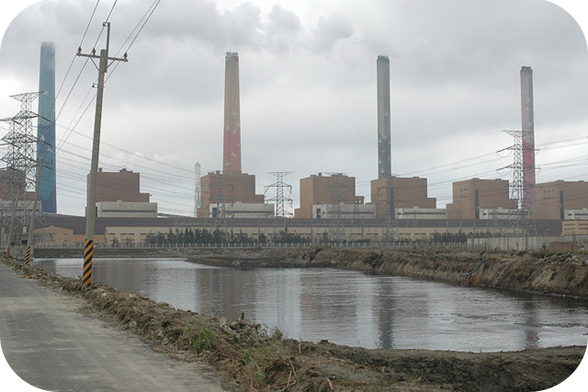
Image showing destruction of habitats for urbanisation, it was used to be the only habitat of endemic species Uca formosensis in Taichung coast which is converted into a fishery pond.
Image courtesy of: Changhua Coast Conservation Action, "Habitat loss of Uca formosensis" February 16, 2006 via Flickr, Creative Commons Attribution - NonCommercial – ShareAlike 2.0 Generic (CC BY-NC 2.0)
Image courtesy of: Changhua Coast Conservation Action, "Habitat loss of Uca formosensis" February 16, 2006 via Flickr, Creative Commons Attribution - NonCommercial – ShareAlike 2.0 Generic (CC BY-NC 2.0)
Pollution plays a huge part in the destruction of habitats, the cumulative effects from the little things we do which pollute the environment leads to dire consequences.
EXAMPLE/STATISTICS: For example, the daily use of detergent to do our laundry is one pollutant if not treated properly. Detergents can have poisonous effects in all types of aquatic life if they are present in sufficient quantities, and this includes the biodegradable detergents. All detergents destroy the external mucus layers that protect the fish from bacteria and parasites; plus they can cause severe damage to the gills. Most fish will die when detergent concentrations approach 15 parts per million.
Detergents also add another problem for aquatic life by lowering the surface tension of the water. Organic chemicals such as pesticides and phenols are then much more easily absorbed by the fish.
EXAMPLE/STATISTICS: For example, the daily use of detergent to do our laundry is one pollutant if not treated properly. Detergents can have poisonous effects in all types of aquatic life if they are present in sufficient quantities, and this includes the biodegradable detergents. All detergents destroy the external mucus layers that protect the fish from bacteria and parasites; plus they can cause severe damage to the gills. Most fish will die when detergent concentrations approach 15 parts per million.
Detergents also add another problem for aquatic life by lowering the surface tension of the water. Organic chemicals such as pesticides and phenols are then much more easily absorbed by the fish.
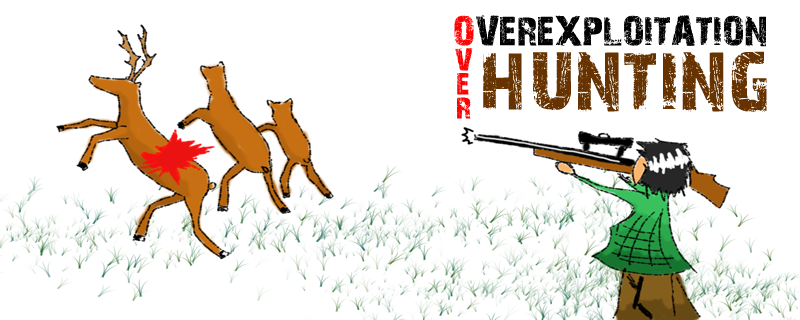
Overexploitation
Demand for products made from animal parts
Competition of resources with humans
Economic Extinction
Animals are constantly hunted due to humans' demand for products made from certain parts of the animals which are of high commercial values, such as testing for medicine, fashion, scientific experiments, entertainment and more.
EXAMPLE/STATISTICS: For example, whaling has led to a large decrease of whales in the ocean. This unrestricted hunting or whaling purpose was for their skin, fur, teeth, meat or other reasons. )
EXAMPLE/STATISTICS: For example, whaling has led to a large decrease of whales in the ocean. This unrestricted hunting or whaling purpose was for their skin, fur, teeth, meat or other reasons. )
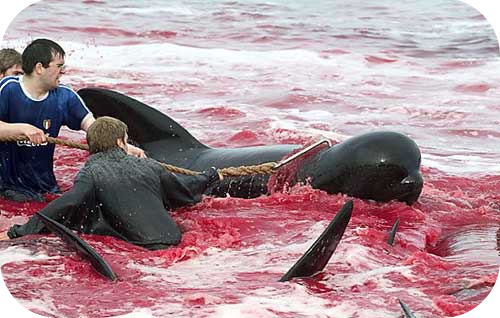
Image showing the hunting of whales
Image Courtesy of: ladyLara ( Laura Bâlc ), " Without a doubt man is the worst animal on the planet!" November 19, 2008 via Flickr, Creative Commons Attribution - NonCommercial – ShareAlike 2.0 Generic (CC BY-NC 2.0)
Image Courtesy of: ladyLara ( Laura Bâlc ), " Without a doubt man is the worst animal on the planet!" November 19, 2008 via Flickr, Creative Commons Attribution - NonCommercial – ShareAlike 2.0 Generic (CC BY-NC 2.0)
Overexploitation also occurs when an animal competes directly with humans for the space and resources to survive.
EXAMPLE/STATISTICS: A classic example is that of the gray wolf, which was nearly exterminated in the United States by hunters who were determined to protect their livestock. Though there were efforts made to restore the wolf population, however, in situations where species ranges cross international borders, such recovery can be much harder since it can be difficult to maintain a healthy population when no government can keep control. (Brighthub)
EXAMPLE/STATISTICS: A classic example is that of the gray wolf, which was nearly exterminated in the United States by hunters who were determined to protect their livestock. Though there were efforts made to restore the wolf population, however, in situations where species ranges cross international borders, such recovery can be much harder since it can be difficult to maintain a healthy population when no government can keep control. (Brighthub)
Overexploitation may also lead to the economic extinction whereby no more profits can be gained from the species after long periods of hunting till the point whereby the population becomes scarce.
EXAMPLE/STATISTICS: For example, the hunt for beavers to make beaver-fur hats which were fashionable and highly demanded for in North America during the 19th century most of the population of beavers till they are no longer worth hunting due to the small numbers left. Similar types of hunting will lead to a vicious cycle which causes overexploitation as hunters explore different area their targets live in until the whole specie is swept out.
EXAMPLE/STATISTICS: For example, the hunt for beavers to make beaver-fur hats which were fashionable and highly demanded for in North America during the 19th century most of the population of beavers till they are no longer worth hunting due to the small numbers left. Similar types of hunting will lead to a vicious cycle which causes overexploitation as hunters explore different area their targets live in until the whole specie is swept out.
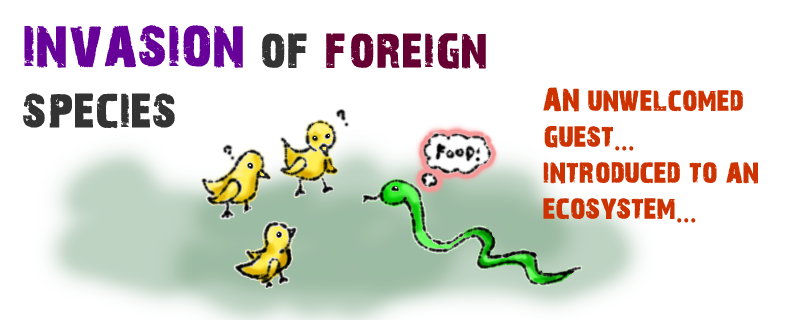
Introduction of new species
Animals are generally well adapted to the environment they are living in. New species introduced into an environment both intentionally or accidentally may disrupt the ecological balance and cause a sequence of harmful consequences.
Many are introduced because of their value as a food source and as pest control by humans. Introduced species increase the competition for resources such as food and space with those originally living in the habitat, the introduced species may be predators which pose as a threat to the native species as well. This affect not only the native species but it may negatively affect other species which are dependent on them for survival as well, leading to a decline in population of another species.
EXAMPLE/STATISTICS: For example, many birds on oceanic islands are unable to defend themselves from introduced ground hunters. Hawaii is home to one classic example of how catastrophic the results of introduced species can be. The Pacific black rat, caused the extinction of honeycreepers, an endemic bird, shortly after it was brought to the island, by raiding eggs from the birds' nests. This bird is now extinct. (Brighthub)
As transport becomes more convenient, humans can continue to move species all around easily to meet tourism, agricultural demands and more. The rate of introduction of new species is likely to increase, causing the situation of wildlife endangerment to worsen if not efforts are made to prevent it from occurring.
Many are introduced because of their value as a food source and as pest control by humans. Introduced species increase the competition for resources such as food and space with those originally living in the habitat, the introduced species may be predators which pose as a threat to the native species as well. This affect not only the native species but it may negatively affect other species which are dependent on them for survival as well, leading to a decline in population of another species.
EXAMPLE/STATISTICS: For example, many birds on oceanic islands are unable to defend themselves from introduced ground hunters. Hawaii is home to one classic example of how catastrophic the results of introduced species can be. The Pacific black rat, caused the extinction of honeycreepers, an endemic bird, shortly after it was brought to the island, by raiding eggs from the birds' nests. This bird is now extinct. (Brighthub)
As transport becomes more convenient, humans can continue to move species all around easily to meet tourism, agricultural demands and more. The rate of introduction of new species is likely to increase, causing the situation of wildlife endangerment to worsen if not efforts are made to prevent it from occurring.
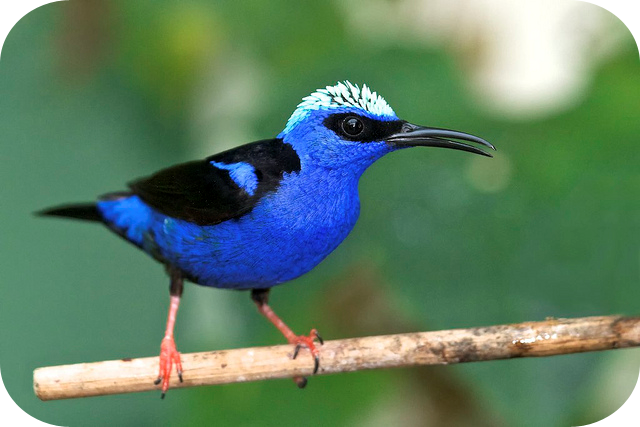
Image of a honeycreeper
Image Courtesy of: Chris Smith, "Honeycreeper" December 29, 2010 viaFlickr, Creative Commons Attribution - NonCommercial – ShareAlike 2.0 Generic (CC BY-NC 2.0)
As transport becomes more convenient, humans can continue to move species all around easily to meet tourism, agricultural demands and more.
The rate of introduction of new species is likely to increase, causing the situation of wildlife endangerment to worsen if not efforts are made to prevent it from occurring.
Image Courtesy of: Chris Smith, "Honeycreeper" December 29, 2010 viaFlickr, Creative Commons Attribution - NonCommercial – ShareAlike 2.0 Generic (CC BY-NC 2.0)
As transport becomes more convenient, humans can continue to move species all around easily to meet tourism, agricultural demands and more.
The rate of introduction of new species is likely to increase, causing the situation of wildlife endangerment to worsen if not efforts are made to prevent it from occurring.
Nature's Loss
Loss of biodiversity
Imbalance in food chain / ecosystem
"Species provide economic value in the form of food crops, fuelwood and lumber, paper, and medicine" (Sustaining Biodiversity). The genetic information in the various species is important to create new sources of food and medicines. There will be a lack of areas to get such information in face of wildlife extinction.
The loss of biodiversity will result in a huge cost incurred by the human beings, also leading to a loss of potential education topics, recreation purposes, eco-tourism dollars. "It will take at least 5 million years for speciation to rebuild the biodiversity we are likely to destroy during this century!" Are we able to compensate for this harm we are inflicting on nature?
Commercial whaling is the past century has also led to the close to irreversible recovery of whale populations and was so destructive there has been many attempts in order to salvage this situation such as the International Whaling Commission set up in 1946.
It is also a problem as many whales are hunted for the 'scientific research' that can be carried out but mainly because of food.
The loss of biodiversity will result in a huge cost incurred by the human beings, also leading to a loss of potential education topics, recreation purposes, eco-tourism dollars. "It will take at least 5 million years for speciation to rebuild the biodiversity we are likely to destroy during this century!" Are we able to compensate for this harm we are inflicting on nature?
Commercial whaling is the past century has also led to the close to irreversible recovery of whale populations and was so destructive there has been many attempts in order to salvage this situation such as the International Whaling Commission set up in 1946.
It is also a problem as many whales are hunted for the 'scientific research' that can be carried out but mainly because of food.
Animals, plants and organisms affect the overall population of species.
Extinction of a specie will lead to another a rapid growth in the number of the prey of that specie, resulting in an over population or decrease in some cases of the species that was directly affected by the extinct species.
For example, over-fishing of large sharks in Atlantic has led to a boom in population for rays, skates and other smaller shark species that they used to prey on, causing organisms at the bottom of the food chain to suffer.
Extinction of a specie will lead to another a rapid growth in the number of the prey of that specie, resulting in an over population or decrease in some cases of the species that was directly affected by the extinct species.
For example, over-fishing of large sharks in Atlantic has led to a boom in population for rays, skates and other smaller shark species that they used to prey on, causing organisms at the bottom of the food chain to suffer.
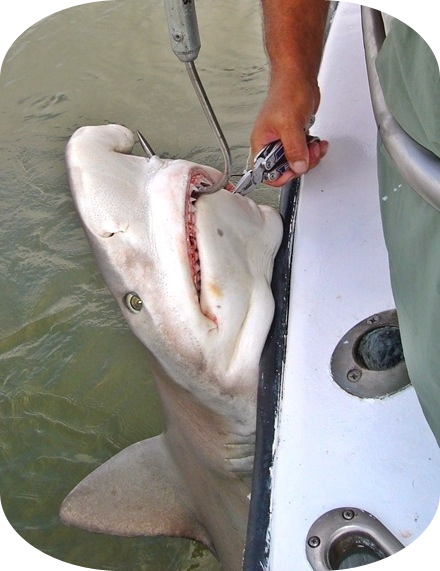
Image showing shark fishing
Image Courtesy of: HuntFishGuide.com, "Shark Fishing Florida" May 24, 2009 viaFlickr, Creative Commons Attribution - NonCommercial – ShareAlike 2.0 Generic (CC BY-NC 2.0)
Image Courtesy of: HuntFishGuide.com, "Shark Fishing Florida" May 24, 2009 viaFlickr, Creative Commons Attribution - NonCommercial – ShareAlike 2.0 Generic (CC BY-NC 2.0)
Humanity's loss
Loss of wildlife's vibrancy in cultures
Economical loss
We should all be aware that our world is not composed of solely humans. Animals are also sewn into this diverse web of life and to many of us, their presence adds colours to the fabric of our environment and lifestyle.
Just look at the number of pet owners in this world! Realise the spiritual role that animals such as cows and elephants play in Hindu culture! Take a stroll in the local nature reserve and very often, you'll be comforted by the wealth of wildlife! Animals, both domestic and wild, are integrated into our society too despite not many being aware of this. Sadly, our friends in wild habitats are vanishing.
One social, intangible problem is the loss of the recreational time and pleasure human spend with animals. The future generation is deprived of the chance to live with the animals as they are extinct.
Animals also serve as a companion to humans. Very often, children, and even adults experience great pleasure when playing with the animals, or just having the animals around them. With the extinction of animals, there will be no more sight where humans are playing joyously with dogs, riding horses or waving to dolphins in lagoons.
Just look at the number of pet owners in this world! Realise the spiritual role that animals such as cows and elephants play in Hindu culture! Take a stroll in the local nature reserve and very often, you'll be comforted by the wealth of wildlife! Animals, both domestic and wild, are integrated into our society too despite not many being aware of this. Sadly, our friends in wild habitats are vanishing.
One social, intangible problem is the loss of the recreational time and pleasure human spend with animals. The future generation is deprived of the chance to live with the animals as they are extinct.
Animals also serve as a companion to humans. Very often, children, and even adults experience great pleasure when playing with the animals, or just having the animals around them. With the extinction of animals, there will be no more sight where humans are playing joyously with dogs, riding horses or waving to dolphins in lagoons.

A colorful statue of an elephant built into a Hindu temple on Penang.
Image Courtesy of: Laura Longenecker, "Hindu Elephant" January 3, 2010 viaFlickr, Creative Commons Attribution - NonCommercial – ShareAlike 2.0 Generic (CC BY-NC 2.0)
The extinction of animals also has a major economical impact on the world. Do you remember all the wildlife shows that are played on Animal Planet and National Geographic? The wildlife shows played a huge part and contributed hundreds of millions, even billions to the world economy.
With the extinction of animals, the productions of all the amazing wildlife shows would have to be stopped. Aside from wildlife shows, animals also contribute to the economy in bits and pieces.
For example, in almost every city, there will be a zoo, where different species of animals are bred for children to watch. There are also circus that involves animals such as elephants and monkeys. All these not only contribute to the economy but also entertains our lives. Have you ever imagined what would happen if all these animals are gone?
Most of our central food sources are derived from animals too. Seafood is one prominent case that highlights the worries of extinction. The highly craved pacific bluefin tuna that is used to make sushi is now a critically endangered species due to overfishing. If our global appetite for tuna as well as other sea creatures such as the European Eel continues at this pace, the next generation will have to pay for their extinction.
According to the World Wide Fund for Nature's Living Planet Report, 28% of monitored marine fish stocks were in fact overexploited, depleted, or recovering from depletion. This statistic sure is troubling to society, considering the fact that nearly 3 billion people get at least 15% of their protein intake from fishes.
With the extinction of animals, the productions of all the amazing wildlife shows would have to be stopped. Aside from wildlife shows, animals also contribute to the economy in bits and pieces.
For example, in almost every city, there will be a zoo, where different species of animals are bred for children to watch. There are also circus that involves animals such as elephants and monkeys. All these not only contribute to the economy but also entertains our lives. Have you ever imagined what would happen if all these animals are gone?
Most of our central food sources are derived from animals too. Seafood is one prominent case that highlights the worries of extinction. The highly craved pacific bluefin tuna that is used to make sushi is now a critically endangered species due to overfishing. If our global appetite for tuna as well as other sea creatures such as the European Eel continues at this pace, the next generation will have to pay for their extinction.
According to the World Wide Fund for Nature's Living Planet Report, 28% of monitored marine fish stocks were in fact overexploited, depleted, or recovering from depletion. This statistic sure is troubling to society, considering the fact that nearly 3 billion people get at least 15% of their protein intake from fishes.
For Individuals
Consume MSC-label seafood
Support FSC-label wood products
Follow the 3 Rs - Recycle, Reduce and Reuse
- Give away old stuff
- Use both sides of the paper
- Dump your trash in recycling bins
- Don't waste your food
Minimise herbicide and pesticide usage
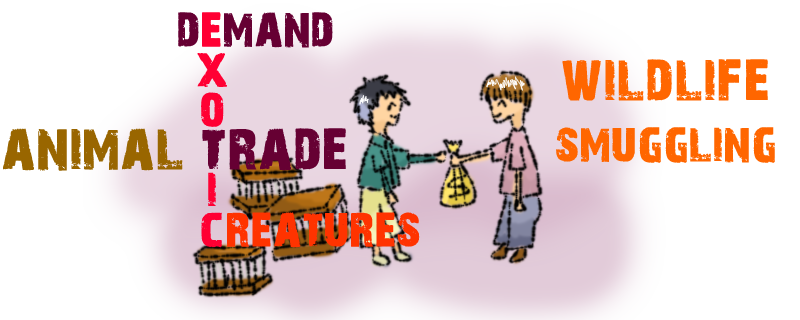
Say NO to illegal wildlife-trade
Voice out your opinions on wildlife endangerement
Donate online!
Many of us do enjoy the succulent meat in sushi and fish fillet. Yet the global appetite is threatening certain fish populations, one example being the endangered bluefin tuna.
To ensure their continued existence for future generations of mankind and wildlife, you can do your part by choosing sustainable seafood as your top choice
for ocean delights. This includes products with the Marine Stewardship Council (MSC) logo. An independent, non-profit organisation set up by WWF an Unilever,
MSC has developed a standard for assessing and certifying the sustainability of fisheries which is the only internationally-recognised criteria for evaluating whether or not a fishery is well-managed.
It is based on the best scientific data and latest knowledge about the marine environment.
Products that are MSC-certified are derived from fisheries assessed by independent certifiers as meeting the MSC standard, giving consumers an informed choice to buy fish and other seafood products from well-managed sources.
Over 20 fisheries around the world are now certified, and another 30 fisheries are currently undergoing assessment.
Today, there are around 400 MSC-certified fish products on sale in 26 countries – ranging from fresh,frozen, smoked and canned fish to fish oil supplements – and the number is growing all the time. So when you do your shopping at the supermarket next time, be sure to pick what's best for nature.
It is based on the best scientific data and latest knowledge about the marine environment.
Products that are MSC-certified are derived from fisheries assessed by independent certifiers as meeting the MSC standard, giving consumers an informed choice to buy fish and other seafood products from well-managed sources.
Over 20 fisheries around the world are now certified, and another 30 fisheries are currently undergoing assessment.
Today, there are around 400 MSC-certified fish products on sale in 26 countries – ranging from fresh,frozen, smoked and canned fish to fish oil supplements – and the number is growing all the time. So when you do your shopping at the supermarket next time, be sure to pick what's best for nature.
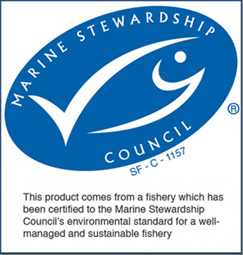
Look out for this label when you shop for seafood!
Image Courtesy of: The International Institute for Environment and Development, "The Marine Stewardship Council: a fishery certification programme and seafood ecolabel which rewards sustainable fishing worldwide." October 26, 2010 via Flickr, Creative Commons Attribution - NonCommercial 2.0 Generic (CC BY-NC 2.0)
Image Courtesy of: The International Institute for Environment and Development, "The Marine Stewardship Council: a fishery certification programme and seafood ecolabel which rewards sustainable fishing worldwide." October 26, 2010 via Flickr, Creative Commons Attribution - NonCommercial 2.0 Generic (CC BY-NC 2.0)
One of the main causes of the loss of our forest friends is deforestation, which is strongly fueled by illegal logging brought about by high demand for timber in Europe and in countries such as Japan, the United States and China.
However, as individuals, we can help stop this by impacting demand.
Look out for the "FSC" label on wood and timber products, including everything from furniture to paper and even toilet tissue.
If it doesn't have this label, it may well have come from illegal sources. The FSC label denotes timber from forests managed according to specific standards of sustainability as a way of encouraging good forest management. Similar to the Marine Stewardship Council, the Forest Stewardship Council (FSC) is an independent body which sets standards for sustainable forest management, and accredits third parties to certify forest producers that adopt them.
It was set up in response to the outcry over clear-cutting of forests in regions such as the Amazon. Its founders were a broad coalition that included environmental groups such as WWF, Greenpeace and Friends of the Earth, as well as indigenous forest dwellers, and retailers such as B&Q in the UK and Sweden's IKEA.
However, as individuals, we can help stop this by impacting demand.
Look out for the "FSC" label on wood and timber products, including everything from furniture to paper and even toilet tissue.
If it doesn't have this label, it may well have come from illegal sources. The FSC label denotes timber from forests managed according to specific standards of sustainability as a way of encouraging good forest management. Similar to the Marine Stewardship Council, the Forest Stewardship Council (FSC) is an independent body which sets standards for sustainable forest management, and accredits third parties to certify forest producers that adopt them.
It was set up in response to the outcry over clear-cutting of forests in regions such as the Amazon. Its founders were a broad coalition that included environmental groups such as WWF, Greenpeace and Friends of the Earth, as well as indigenous forest dwellers, and retailers such as B&Q in the UK and Sweden's IKEA.

Look out for this label when you shop for paper and wood products!
Image Courtesy of: The International Institute for Environment and Development, " The Forest Stewardship Council: an independent, non-governmental, not-for-profit organization established to promote the responsible management of the world's forests." October 26, 2010 via Flickr, Creative Commons Attribution - NonCommercial 2.0 Generic (CC BY-NC 2.0)
Image Courtesy of: The International Institute for Environment and Development, " The Forest Stewardship Council: an independent, non-governmental, not-for-profit organization established to promote the responsible management of the world's forests." October 26, 2010 via Flickr, Creative Commons Attribution - NonCommercial 2.0 Generic (CC BY-NC 2.0)
Protecting the natural environment benefits animals as well. By adopting environmentally responsible habits in our daily life, we can indirectly help animals whose habitats are strongly affected by human activities. This includes reducing your energy consumption by lowering the thermostat by 1 degree celcius. Remember, evrything is linked in our world and our actions are, in many ways, tied to the lives of animals.
This sounds pretty troublesome to most people but here are some tips which aren't too inconvenient and at the same time easy to adopt into your lifestyle:
This sounds pretty troublesome to most people but here are some tips which aren't too inconvenient and at the same time easy to adopt into your lifestyle:
We bet you have some phone books, toys and clothing you no longer need. So instead of accumulating unwanted stuff, why not donate them to charity and those who may need it?
Not only you're helping to save some space in your house, what's junk to you may turn out to be treasure to others. Reusing old items gives them a new lease of life instead of filling the Earth with more of our waste.
Not only you're helping to save some space in your house, what's junk to you may turn out to be treasure to others. Reusing old items gives them a new lease of life instead of filling the Earth with more of our waste.
Don't crumple a piece of paper and dump it away too immediately. Check if the oter side of the paper's plain or unused and be sure to use that for writing. Printing on both sides of the paper allows you to save paper and makes your folder comfortably thinner too! :)
This is a common tip, yet many people hardly practice it! There's nothing too difficult in dumping apprioprate waste in another bin that's earth-friendly (and usually more attractive).
If you're unsure what type waste should or should not be thrown into those bins, here's a short guide:

Image Made with Reference from 'Appendix 4: WASTE MGT. ALTERNATIVES', ALASKA NATIVE TRIBAL HEALTH CONSORTIUM, PDF [accessed 21 April 2011]
Whenever you go for buffets or order a meal, check your appetite! You don't want to consume more than what your stomach can handle. Knowing how much you can eat for that meal helps to ensure that you are most likely not to end up wasting food.
Similarly, the next time you pay a visit to the grocer, be sure to check your shopping list again. Are you buying more than what you need?
Similarly, the next time you pay a visit to the grocer, be sure to check your shopping list again. Are you buying more than what you need?
If you happen to have a garden at home, herbicides and pesticides may be essential tools you keep in your shed to keep your garden in a clean, pestless, state. However, most of the chemicals found in herbicides and pesticides are in fact hazardous pollutants that affect wildlife at many levels.
Not only do they take years to degrade, they accumulate in the soil, which will in turn crawl up the food chain. Predators such as rabbits, wolfs and falcons can be harmed if they eat contaminated prey or food.
Some species such as amphibians are particularly vulnerable to these chemical pollutants and suffer greatly as a result of the high levels of herbicides and pesticides in their habitat.
Not only do they take years to degrade, they accumulate in the soil, which will in turn crawl up the food chain. Predators such as rabbits, wolfs and falcons can be harmed if they eat contaminated prey or food.
Some species such as amphibians are particularly vulnerable to these chemical pollutants and suffer greatly as a result of the high levels of herbicides and pesticides in their habitat.
Sometimes, products made from threatened or endangered species such as ivory tusks and tiger skin
carpets captivate the hearts of the wealthy.
In some regions worldwide where illegal poaching is not strongly monitored, people have easy access and getaways for being invovled in the trade of goods derived from protected species that are on the verge of extinction.
Avoid supporting the market in illegal wildlife including tortoise-shells, ivory, coral, fur from tigers, polar bears, sea otters crocodiles, apes...the list just goes on. Many of these goods will no longer look fancy when you think about their plight!
In some regions worldwide where illegal poaching is not strongly monitored, people have easy access and getaways for being invovled in the trade of goods derived from protected species that are on the verge of extinction.
Avoid supporting the market in illegal wildlife including tortoise-shells, ivory, coral, fur from tigers, polar bears, sea otters crocodiles, apes...the list just goes on. Many of these goods will no longer look fancy when you think about their plight!
Whenever you're online or chatting with friends, you can get people to be more aware or more interested in the area of biodiversity and wildlife when you kick-start the topic.
Feel free to visit web forums targeting such issues and post your thoughts and ideas you feel that could possibly help endangered species!
You never know, maybe your idea can turn out to be a revolution one day! Voicing it out is the first step to taking action!
Feel free to visit web forums targeting such issues and post your thoughts and ideas you feel that could possibly help endangered species!
You never know, maybe your idea can turn out to be a revolution one day! Voicing it out is the first step to taking action!
Sometimes, helping your endangered friends is just a click away!
There are tons of organisations out there doing a part for wildlife and you can simple contribute by giving them the financial support they need to fund for their conservation activities!
For example, you can always pay a visit to the Worldwide Funds's web store @ https://wwfstore.donorportal.ca/ where proceeds will go a long way in helping the organisation help endangered creatures! In fact, you can make wildlife adoptions easily from your computer!
There are tons of organisations out there doing a part for wildlife and you can simple contribute by giving them the financial support they need to fund for their conservation activities!
For example, you can always pay a visit to the Worldwide Funds's web store @ https://wwfstore.donorportal.ca/ where proceeds will go a long way in helping the organisation help endangered creatures! In fact, you can make wildlife adoptions easily from your computer!
For Corporates
Lower your carbon footprint
- Use sustainable products
- Implement recycling bins in the workplace
- Car Pooling
Choose the right food for parties and banquets
Make Donations
Organize trips to zoos and nature reserves
The next time you think of getting your office supplies, be sure to note that the most effectively measure is definitely to use sustainable products. Instead of buying furniture or printing paper made from wood from rainforests, a more environmentally friendly option is to support Forest Steward Council (FSC) wood products.
The FSC label denotes timber from forests managed according to specific standards of sustainability as a way of encouraging good forest management. Just imagine the number of trees you can save if your corporate uses recycled paper or simply paper from sustainable sources.
Remember, when you save forests, you save animals in those habitats whose lives are dependent on flora and fauna for survival.
The FSC label denotes timber from forests managed according to specific standards of sustainability as a way of encouraging good forest management. Just imagine the number of trees you can save if your corporate uses recycled paper or simply paper from sustainable sources.
Remember, when you save forests, you save animals in those habitats whose lives are dependent on flora and fauna for survival.
Another measure that corporate can adopt to create a more wildlife-friendly (and earth friendly) workplace is to reduce their carbon footprint. The existence of our animal friends is often at the mercy of the type of waste urban societies generate.
Recycling and reducing wastage is therefore one way communities can be actively involved in to preserve natural habitats and wildlife. Place a few recycling bins in the workplace and encourage your peers to start throwing their waste into such bins! Be sure to provide separate bins for paper, tin & aluminum, glass and even for printer cartridges! Some companies such as Seiko Epson have recycling programs to help clients recycle their printer ink cartridges and toners in an earth-friendly way.
Apart from recycling, it'll definitely be great if companies can do businesses responsibly by creating or selling products that minimize hazardous damage on nature.
Recycling and reducing wastage is therefore one way communities can be actively involved in to preserve natural habitats and wildlife. Place a few recycling bins in the workplace and encourage your peers to start throwing their waste into such bins! Be sure to provide separate bins for paper, tin & aluminum, glass and even for printer cartridges! Some companies such as Seiko Epson have recycling programs to help clients recycle their printer ink cartridges and toners in an earth-friendly way.
Apart from recycling, it'll definitely be great if companies can do businesses responsibly by creating or selling products that minimize hazardous damage on nature.
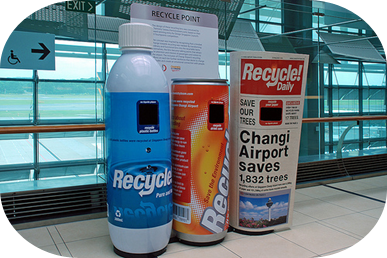
Interesting recycling bins placed around Changi International Airport prompts people to recycle.
Image Courtesy of: Chris Smith, "Recycle Bins" August 20, 2009 viaFlickr, Creative Commons Attribution - NonCommercial – ShareAlike 2.0 Generic (CC BY-NC 2.0)
Image Courtesy of: Chris Smith, "Recycle Bins" August 20, 2009 viaFlickr, Creative Commons Attribution - NonCommercial – ShareAlike 2.0 Generic (CC BY-NC 2.0)
Otherwise known as car sharing, you can pick up your colleagues on the way to work should you have a car. Switch roles between driver and passenger on a weekly basis too. Not only are you reducing your carbon emissions on the whole, this can be fun and promotes bonding between peers too!
In fact, according to the World Wide Fund for Nature's One Planet Lifestyle guide, car sharing can effectively halve your fuel costs and carbon footprint!
In fact, according to the World Wide Fund for Nature's One Planet Lifestyle guide, car sharing can effectively halve your fuel costs and carbon footprint!

Image Courtesy of: London Permaculture, "Carpool" June 04, 2008 viaFlickr, Creative Commons Attribution - NonCommercial – ShareAlike 2.0 Generic (CC BY-NC 2.0)
What's the type of food you order during company gatherings or buffet lunches? If possible, say no to shark fin or other exotic dishes that shortchange the lives of endangered species. You can choose alternative types of meat that are derived from sustainable sources.
One great example would be seafood with the Marine Stewardship Council (MSC) label. In canteens, do check out if it is possible to source for local, fresh produce too. If your colleagues don't agree with you, have a chat with them! Let them know that they're doing a part to save wildlife and encourage them to reduce food wastage at the same time!
One great example would be seafood with the Marine Stewardship Council (MSC) label. In canteens, do check out if it is possible to source for local, fresh produce too. If your colleagues don't agree with you, have a chat with them! Let them know that they're doing a part to save wildlife and encourage them to reduce food wastage at the same time!
Finally, corporate can also donate 1% of their yearly revenue to organization keen to protect endangered species in the exchange of publicity and good-name to their business. Such organizations include the World Wildlife Fund (WWF), Natural Resources Defense Council (NRDC), Wildlife Conservation Society and more.
This small contribution from every corporate will go a long way in conserving wildlife.
This small contribution from every corporate will go a long way in conserving wildlife.
Company trips and holidays can be fun, but for a more wildlife-friendly change, why not try zoos, nature reserves or even safaris if they are within travelling constraints? Going to such places serve as educational purposes in raising awareness and appreciating the value of wildlife in this frail planet of ours.
At this point, it'll also be important to note that zoos aren't meant to be places where animals are kept and bred for our amusement. Zoos have roles to play in the conservation efforts of wildlife too.
The Singapore Zoological Gardens, for example, has spent resources to treat and release 15 pangolins and over 130 native reptiles like monitor lizards and reticulated pythons over the last two years. Going to back to nature can help to inspire your peers to do more for wildlife too!
At this point, it'll also be important to note that zoos aren't meant to be places where animals are kept and bred for our amusement. Zoos have roles to play in the conservation efforts of wildlife too.
The Singapore Zoological Gardens, for example, has spent resources to treat and release 15 pangolins and over 130 native reptiles like monitor lizards and reticulated pythons over the last two years. Going to back to nature can help to inspire your peers to do more for wildlife too!
Virtual Tour
About Us
Name: Alexandru
Nickname: Alexander
School: College "Gheorghe Sincai", Bucharest, Romania
Studying: Mathematics & Informatics, 12th grade
Team role: Team leader, Programming (HTML, CSS, JavaScript, ActionScript), Design
Nickname: Alexander
School: College "Gheorghe Sincai", Bucharest, Romania
Studying: Mathematics & Informatics, 12th grade
Team role: Team leader, Programming (HTML, CSS, JavaScript, ActionScript), Design
Name: Zi Xuan
Nickname: Tzzi
School: Dunman High School, Singapore
Studying: Computing, Chemistry, Mathematics, Economics
Team role: Programming (Flash), Graphic Design
Nickname: Tzzi
School: Dunman High School, Singapore
Studying: Computing, Chemistry, Mathematics, Economics
Team role: Programming (Flash), Graphic Design
Name: Jermaine
School: Dunman High School, Singapore
Studying: Chemistry, Computing, Economics, Mathematics
Team role: Graphic Design
School: Dunman High School, Singapore
Studying: Chemistry, Computing, Economics, Mathematics
Team role: Graphic Design
Name: Shen
Nickname: Holyang
School: Dunman High School, Singapore
Studying: General Paper, Math, Physics, Computing, China Studies in Chinese
Team Role: Research, Survey
Nickname: Holyang
School: Dunman High School, Singapore
Studying: General Paper, Math, Physics, Computing, China Studies in Chinese
Team Role: Research, Survey
Name: Esther
School: Dunman High School, Singapore
Studying: Chemistry, Computing, Economics, Mathematics
Team role: Research
School: Dunman High School, Singapore
Studying: Chemistry, Computing, Economics, Mathematics
Team role: Research
Name: Zhe Kai
Nickname: abcdude
School: Catholic Junior College, Singapore
Studying: General Paper, Math, Physics, Chemistry, Economics
Team Role: Research
Nickname: abcdude
School: Catholic Junior College, Singapore
Studying: General Paper, Math, Physics, Chemistry, Economics
Team Role: Research
Collaboration
Our team has been created using the ThinkQuest Matching Tool and resulted in a fruitful collaboration which led to a project that all team members are proud of.
We carefully chose a widely acknowledged topic, but also one that does not receive enough attention, which is wildlife endangerment.
What's different about our project is that it not only states the problem together with its more and more innovative solutions, it also manages to familiarize the visitors with the real danger of not being well informed regarding this threat for our future generations. This has been done by incorporating a quiz feature inside the website, which upon completion with passing score, guarantees at least a basic knowledge of the topic.
The team held weekly meetings via microphone, during which each team member went through his achievements in the previous week together with bringing his own suggestions. Each meeting ended with creating a "list of goals" assigned to each member for the next week.
The exchange of project files has been realised by using a hosted folder that each team member could access at any time.
As we were approaching the deadline, we begun gathering feedbacks from friends and teachers in order to improve on the user-friendliness of our website.
In the end, the Vanishing Gems Team accomplished its purpose through this project, which is adding a small contribution to making the world a better place for the future generations.
We carefully chose a widely acknowledged topic, but also one that does not receive enough attention, which is wildlife endangerment.
What's different about our project is that it not only states the problem together with its more and more innovative solutions, it also manages to familiarize the visitors with the real danger of not being well informed regarding this threat for our future generations. This has been done by incorporating a quiz feature inside the website, which upon completion with passing score, guarantees at least a basic knowledge of the topic.
The team held weekly meetings via microphone, during which each team member went through his achievements in the previous week together with bringing his own suggestions. Each meeting ended with creating a "list of goals" assigned to each member for the next week.
The exchange of project files has been realised by using a hosted folder that each team member could access at any time.
As we were approaching the deadline, we begun gathering feedbacks from friends and teachers in order to improve on the user-friendliness of our website.
In the end, the Vanishing Gems Team accomplished its purpose through this project, which is adding a small contribution to making the world a better place for the future generations.
Survey Questions
- What is your first impression of the website?
- Did you encounter difficulties in navigating through the website?
- Did you know how to enable/disable the quiz questions?
- What do you think about the Flash intro?
- What do you think about the Virtual Tour?
- Any bugs you faced?
- If you faced any bugs, what browser (include version) and OS are you using?
- Any other comments/suggestions?
Sources
Coding development sources
- jQuery library: http://jquery.com/
- MooTools framework: http://mootools.net/
- Shadowbox.js: http://shadowbox-js.com/
- Fancy Form 0.95 by Vacuos Virtuoso: http://lipidity.com
- CSS alter script by Shawn Olson: http://shawnolson.net
- Music background: "Forest Surround" by Anjey Satori via Jamendo

Research sources
- Causes of endangerment:
- Impacts of extinction:
- Wildlife-friendly Tips
Endangeredspecie
PetandWildlife
ThinkQuest library
Exit Stage Right
African Conservacy
Lenntech
Wikipedia
Brighthub article
Brighthub article
UC Irvine School of Biological Sciences
The Global Warming Policy Foundation
Sustaining Biodiversity: The Species Approach, Living in the environment. (2005)
Lenntech Water treatment & purification Holding BV
Exit Stage Right
The Independent article
The Telegraph
Yahoo! Associated Content
WikiAnswers
About.com Animals
Endangered Species Coalition
Eduardo Gonçalves, WWF. The WWF pocket guide to a One Planet Lifestyle, PDF